Ready to Race
1975 Chevrolet Monza “KING MONZA”
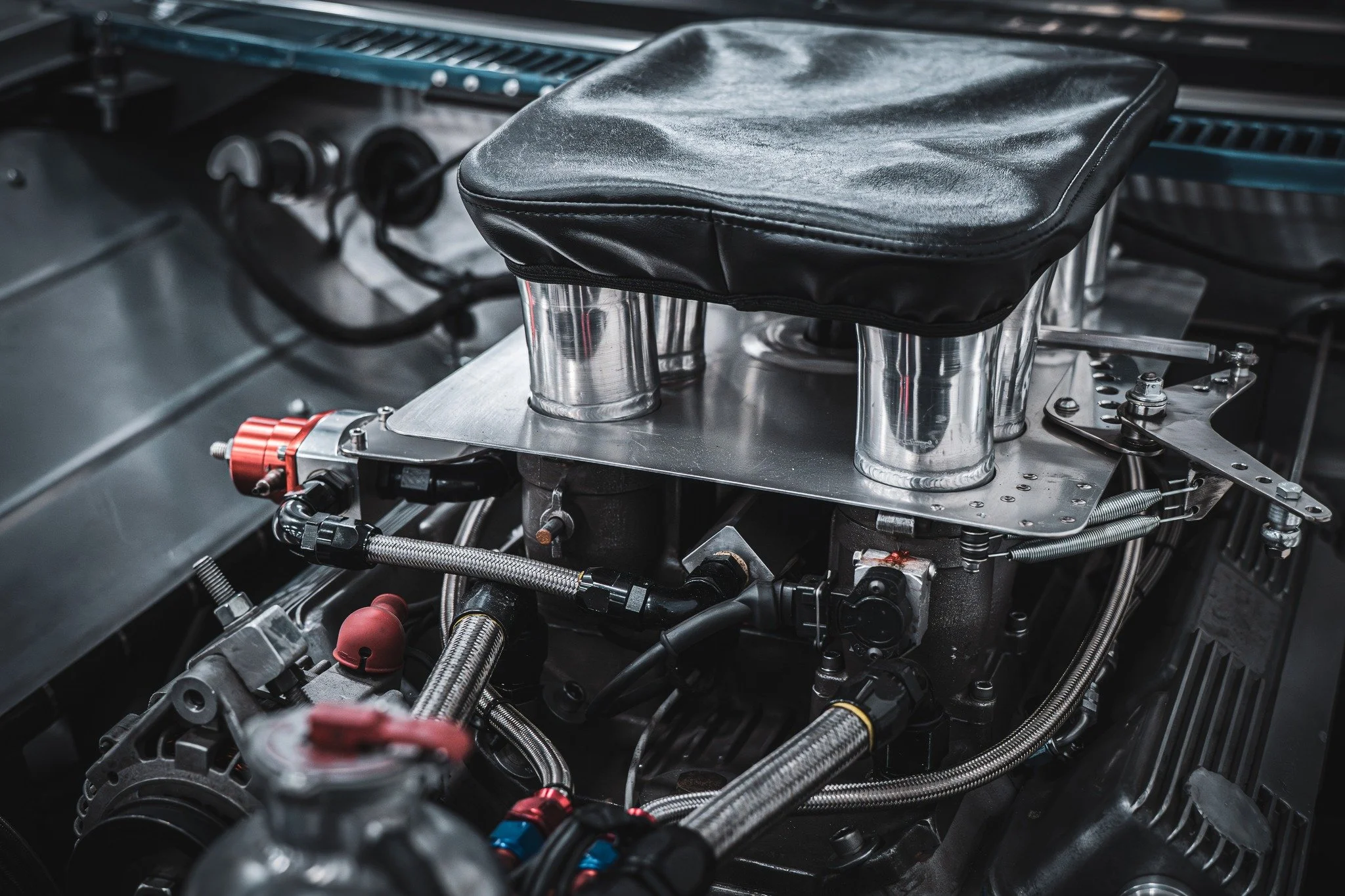
Chevrolet produced the Monza between 1975 and 1980, competing with the Ford Mustang II and other stylish coupés. While Monza road cars were not particularly inspiring, it was in motorsport that the name became infamous. The cars competed in the IMSA series in the United States, powered by Corvette V8 engines. Monza cars built by DeKon Engineering enjoyed the most success, against factory-supported Porsche 935 cars. The vehicle on display was constructed by Canadian race engineer Grant King in 1975, being driven by Tom Nehl before being transported to New Zealand in 1977, enjoying success at the hands of local driver Art McKee. The vehicle is believed to have landed on Australian shores in 1980, being campaigned successively by John Pollard, Rowan Harman, Geoff Munday, Mike Imrie and Chris Fing. It was purchased by a local Tasmanian motorsport enthusiast and has undergone an extensive restoration.
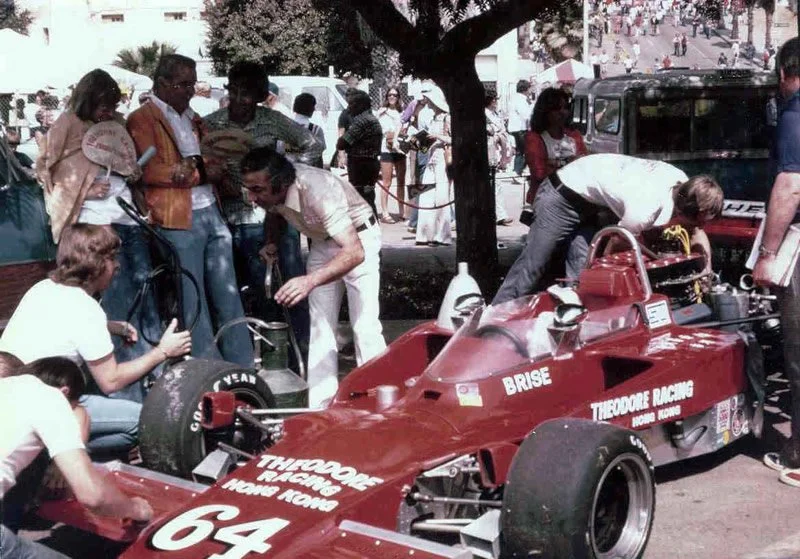
Lola T332 HU37 in the preparation area at Long Beach in 1975.
1974 Lola T332 'HU37'
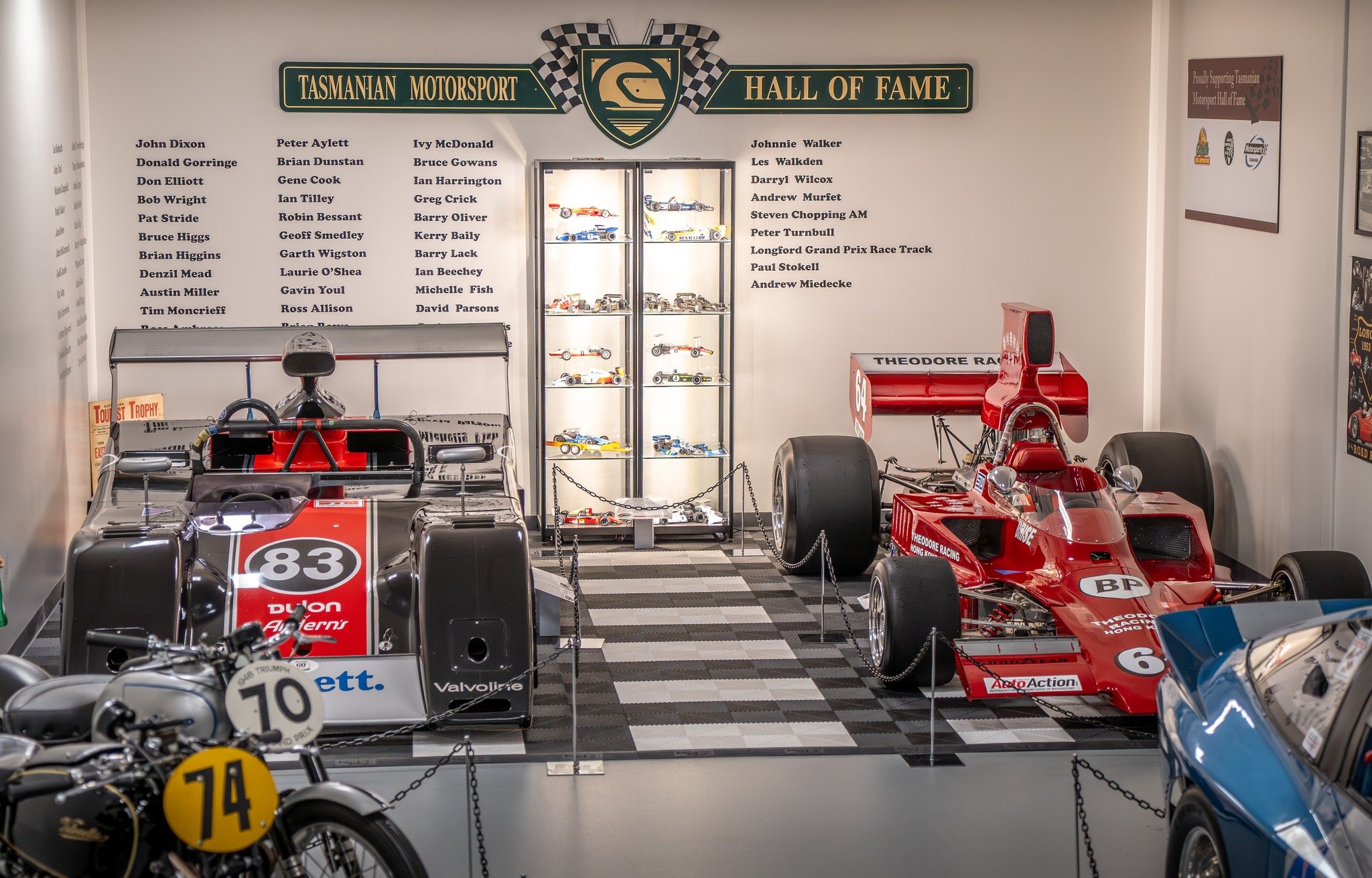
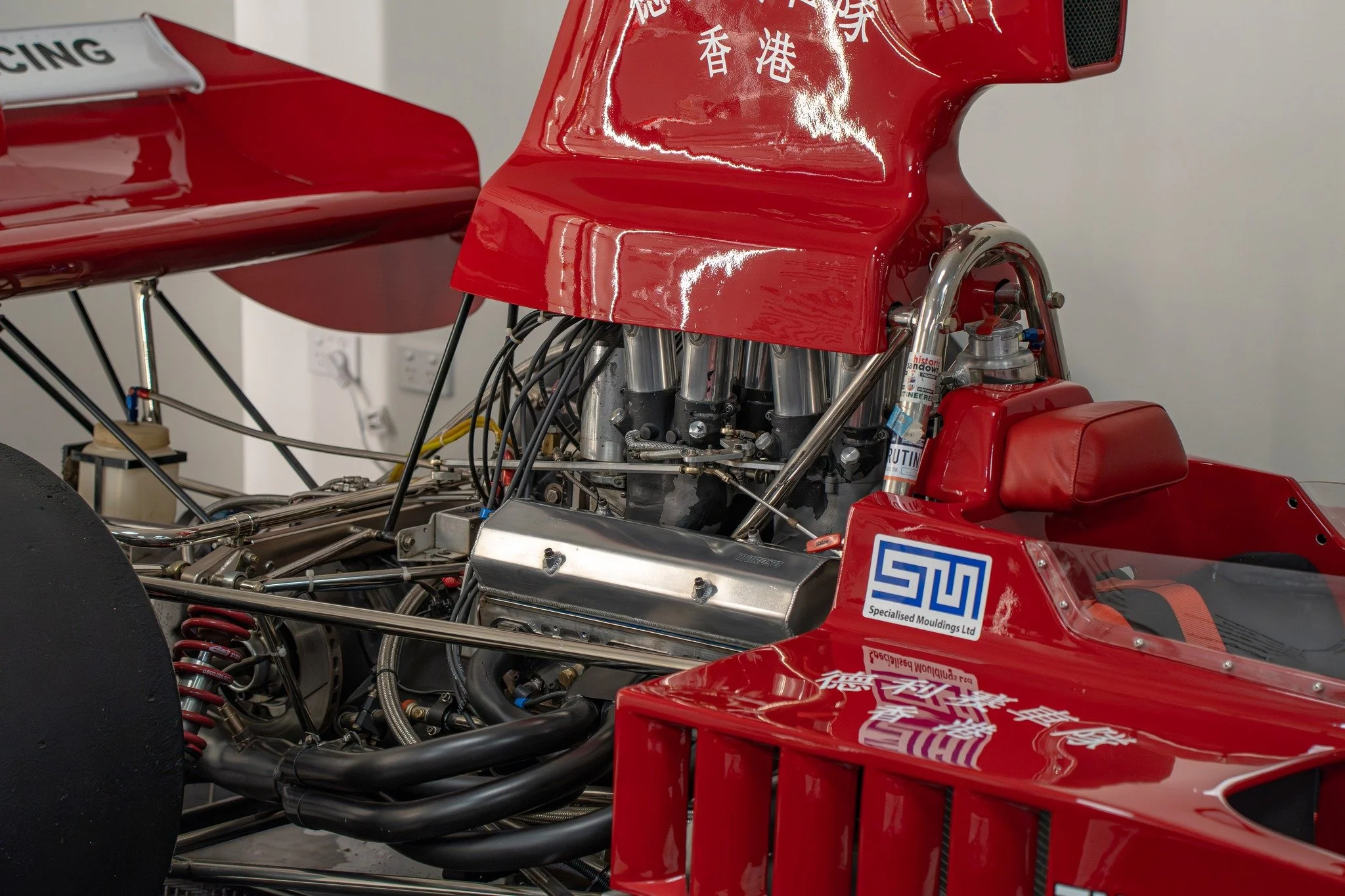
Between 1968 and 1982, Formula 5000 was an open-wheel, single-seater race series; intended as an easily accessible option for small race teams, with the maximum engine capacity of 5 litres referenced in the Formula 5000 name, although many teams ran cars with smaller engines. Vehicles were produced for the series by Lotus, Elfin, Matich, McLaren and Chevron amongst many others. The Lola T332 was a highly competitive option, this particular example was campaigned by Theodore Racing, based in Hong Kong. It was raced by Brian Redman, Vern Schuppan and Alan Jones amongst other drivers. It scored victories under Redman in the UK, in Australia under Schuppan, and under Jones in Canada. During a practice session at ‘Watkins Glen’, a racing circuit in New York, the car suffered from an accident, which completely destroyed the car. Today, chassis number ‘HU37’ has been completely rebuilt, wearing the same livery as it once did nearly 50 years ago. It is now powered by a 5.0 litre small-block Chevrolet V8, fitted with McKay fuel injection. It produces 550bhp, which propels the super lightweight 740kg race car to 100 miles per hour (160km/h) in just 6.5 seconds. It is geared to reach a top speed of just under 180mph. Formula 5000 was a particularly popular race class across the world, with a strong following in Oceania, Africa, the British Isles and North America. Formula 5000 began to lose popularity as updated categories such as Formula Atlantic gained momentum. Internationally, most Formula 5000 series were dropped between 1976 and 1978, but in Australia the series continued with a large following until 1982. Today, Formula 5000 cars are a common sight at historic racing events internationally.
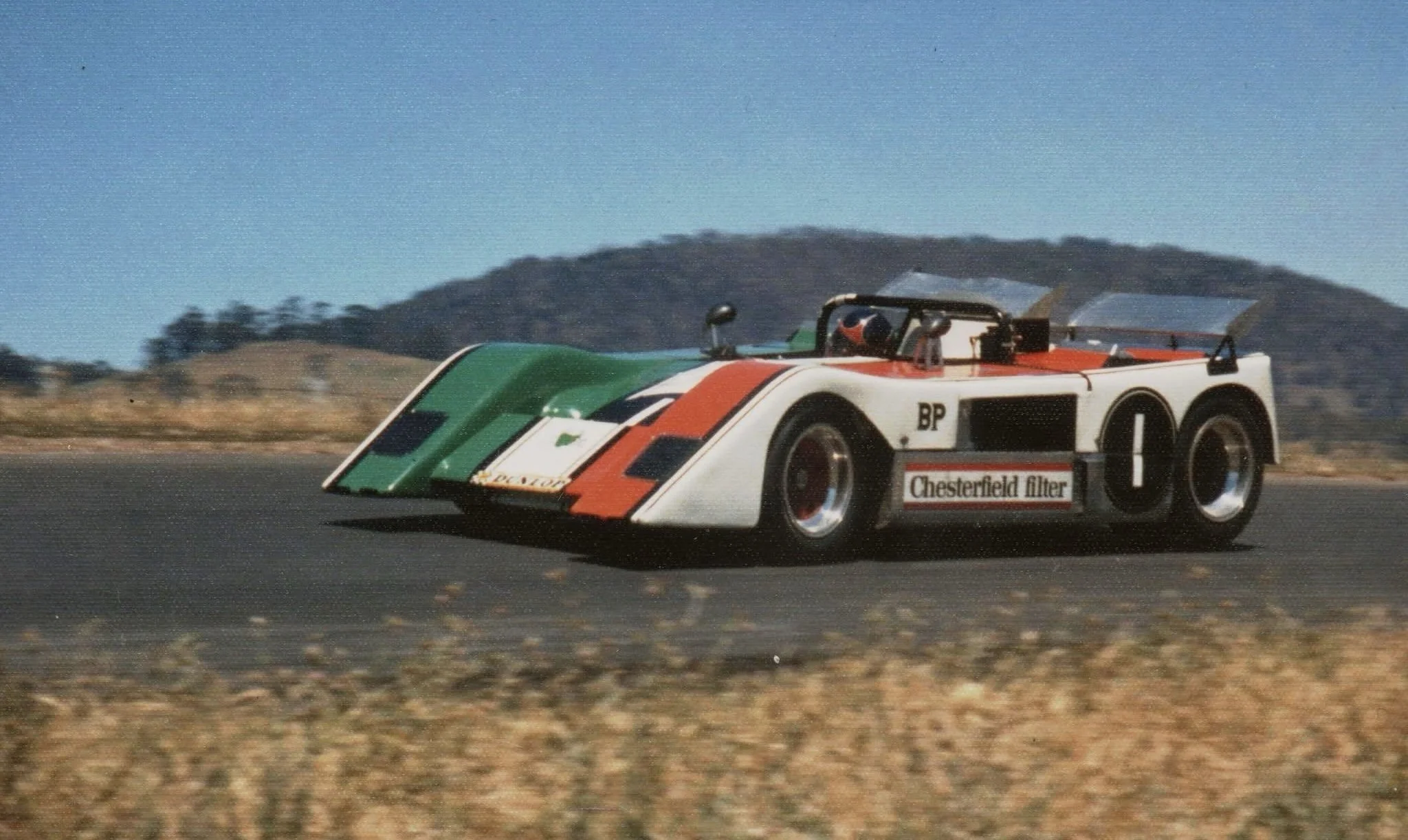
1969 Elfin ME5
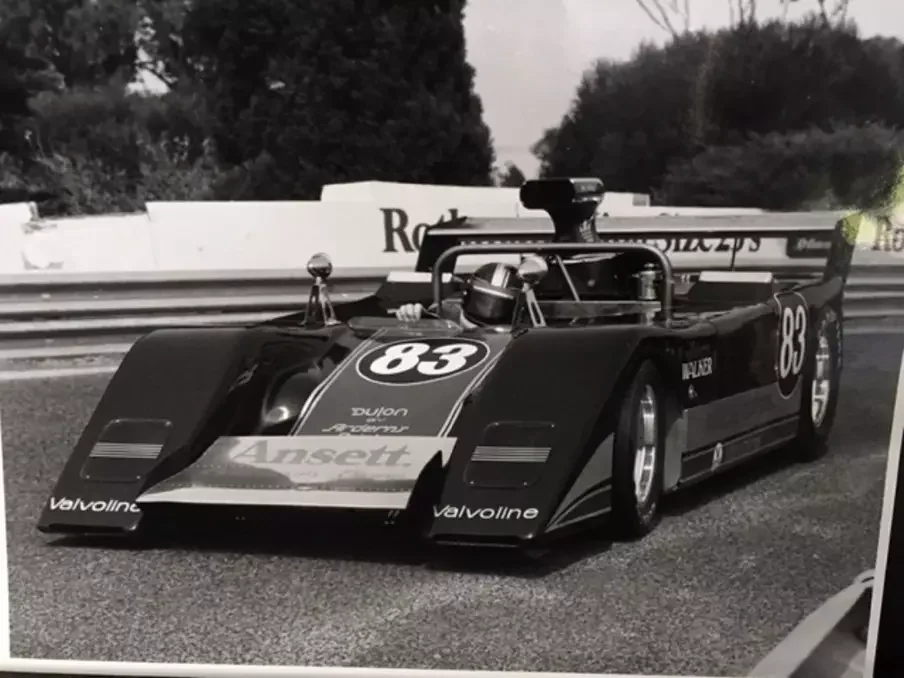
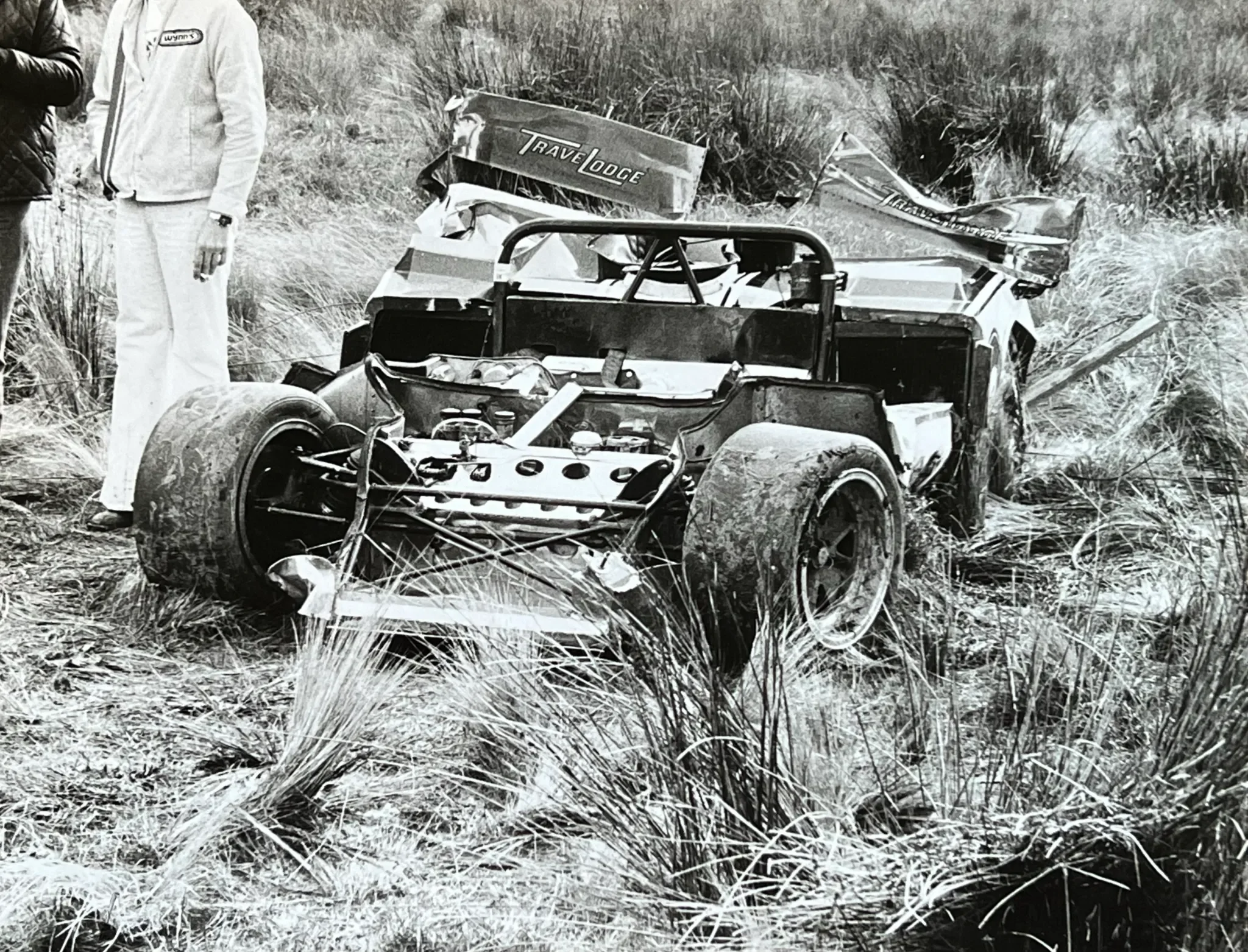
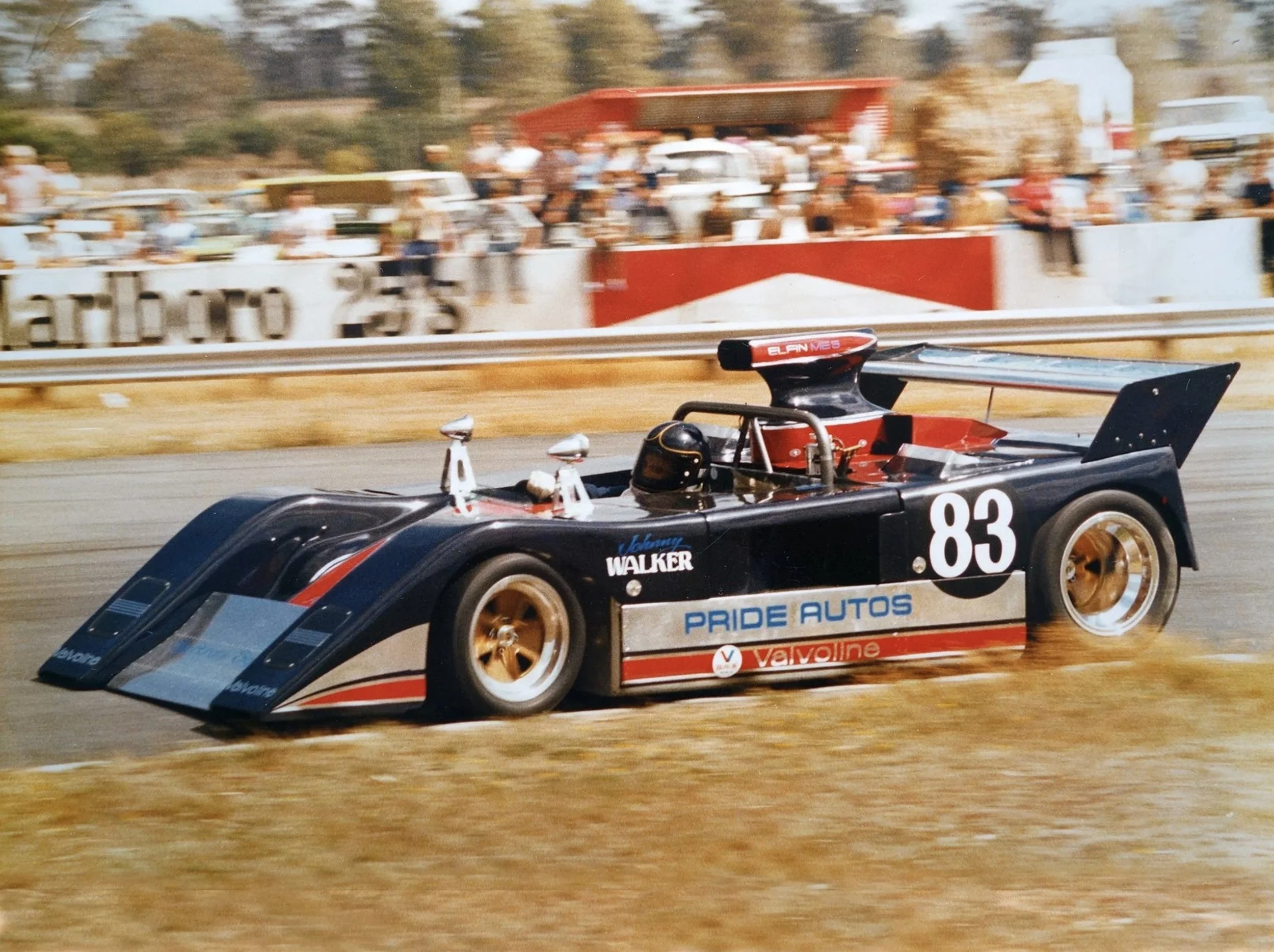
The Elfin ME5 is a unique sports car originally built in Adelaide by Garrie Cooper's team for Niel Allen, it was designed to be competitive against Frank Matich's Repco V8 powered Matich SR4 and Bob Jane's similar McLaren M6 driven by John Harvey. Garrie Cooper's naming of the new car was basically 'M' for Monocoque, 'E' for Elfin and '5' for 5 Litre engine capacity. Principal builders and designers at Elfin in South Australia were Ron Lambert and Tony Alcock, who at the time had just recently returned from the UK having worked for Brabham. Garrie Cooper was also an integral part of the design team. Powered by a Bartz modified 5.0 Litre Chevrolet V8 engine. Bartz engines had been used in the late 60's by Mclaren in the U.S. and featured a steel crank, dry sump, alloy heads, roller rockers, Lucas mechanical fuel injection and mated to a Hewland DG300 5 speed transaxle gearbox. This significant Historic race car has been had many owners since Niel Allen, including Peter Woodward, Charlie Occupenti, Don Elliot, Johnny Walker, Bill Marshall, John Blanden, Rick Otten, Dutton & Sons, Greg Lovett, Bob Minoque, Dutch born Harm Lagaay (Porsche's Chief designer at the time) and now it is in its current owners hands. Considerable racing history is attached to this car, including competing at Spa, Elkhart Lake, Nurburgring, Daytona, Oschersleben, Melbourne GP circuit, Phillip Island, Dijon, Zolder, Hockenheimring, Monza and Zandvoort. The car held the lap record at Sandown for over 3000 cc for 11 years from 1970. It won at Warrick Farm in 1969 and 1970 and also competed successfully in Europe and the USA driven by Harm Lagaay before coming back to Australia in 2006.