Janet Francis
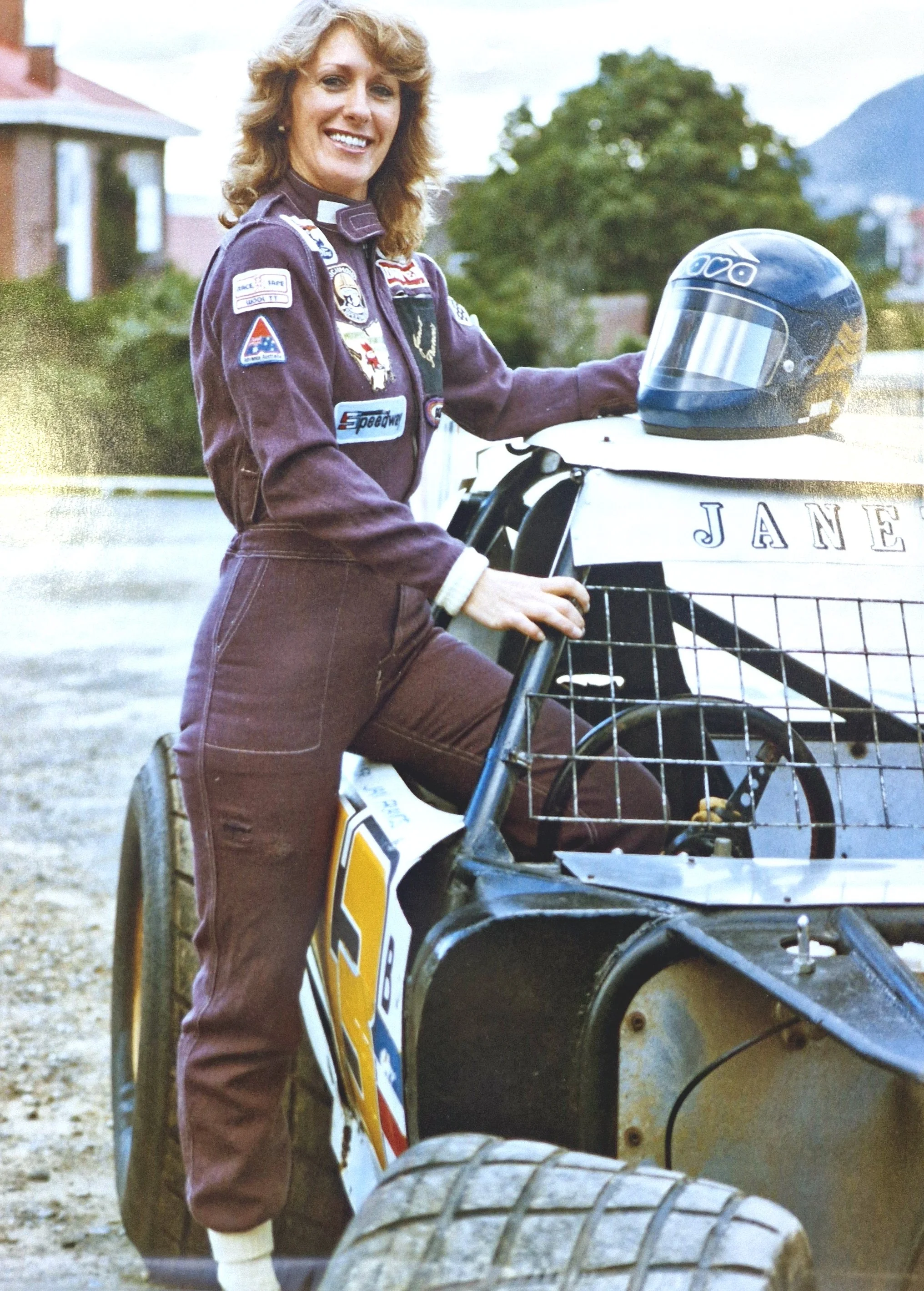
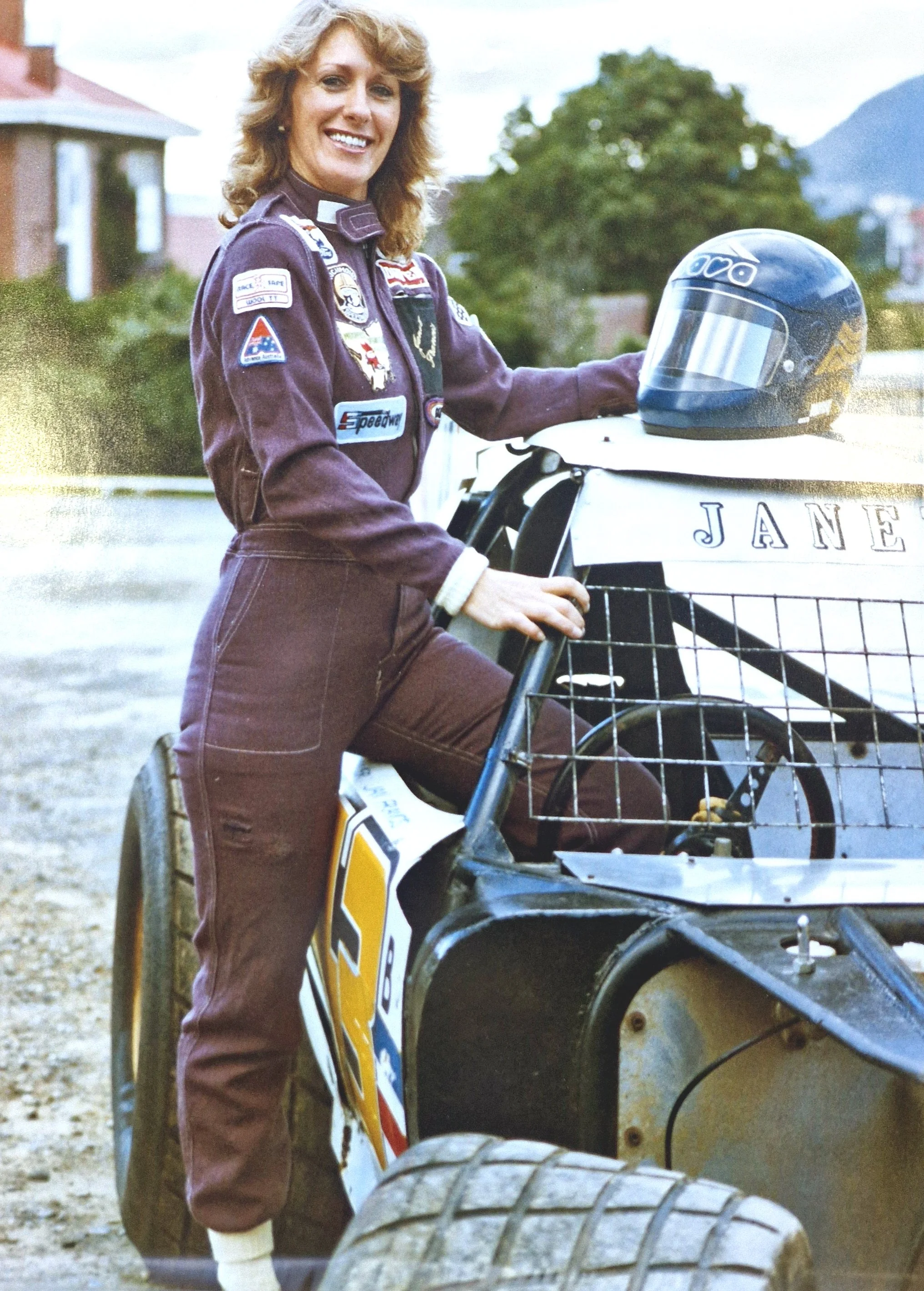
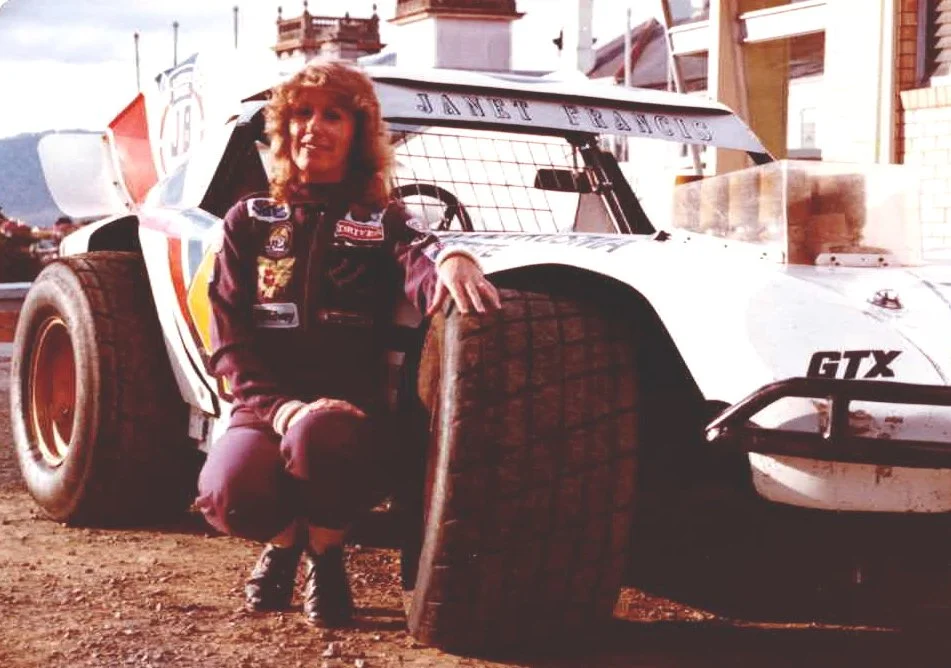
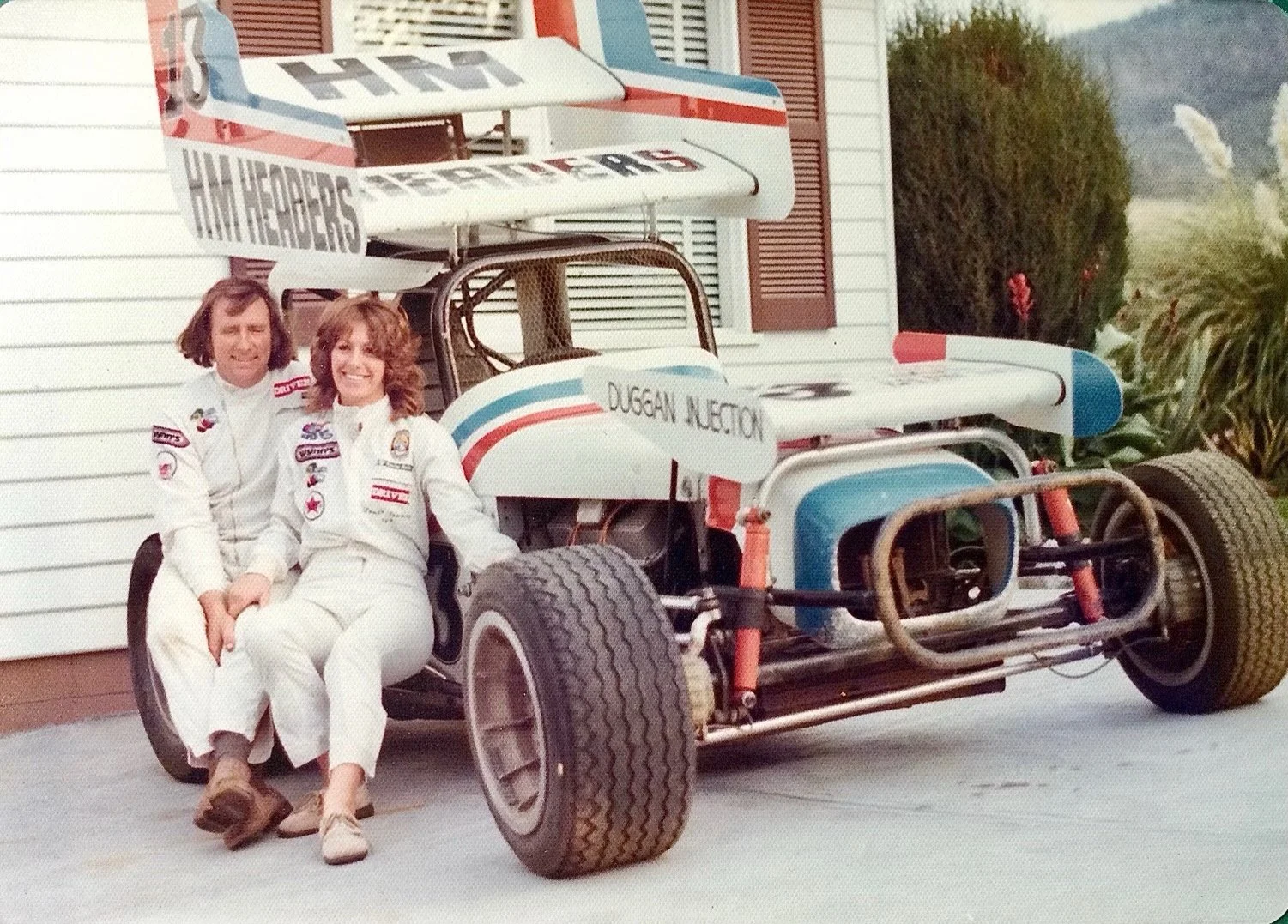
Janet Francis is a true pioneer of women’s motorsport in Tasmania, having started speedway racing in 1969 with her husband Albie, sharing an FJ Holden they purchased for $45, fitted with tyres sourced from a wrecker for just $7 each. Janet competed in and won her first race in an all-female field.
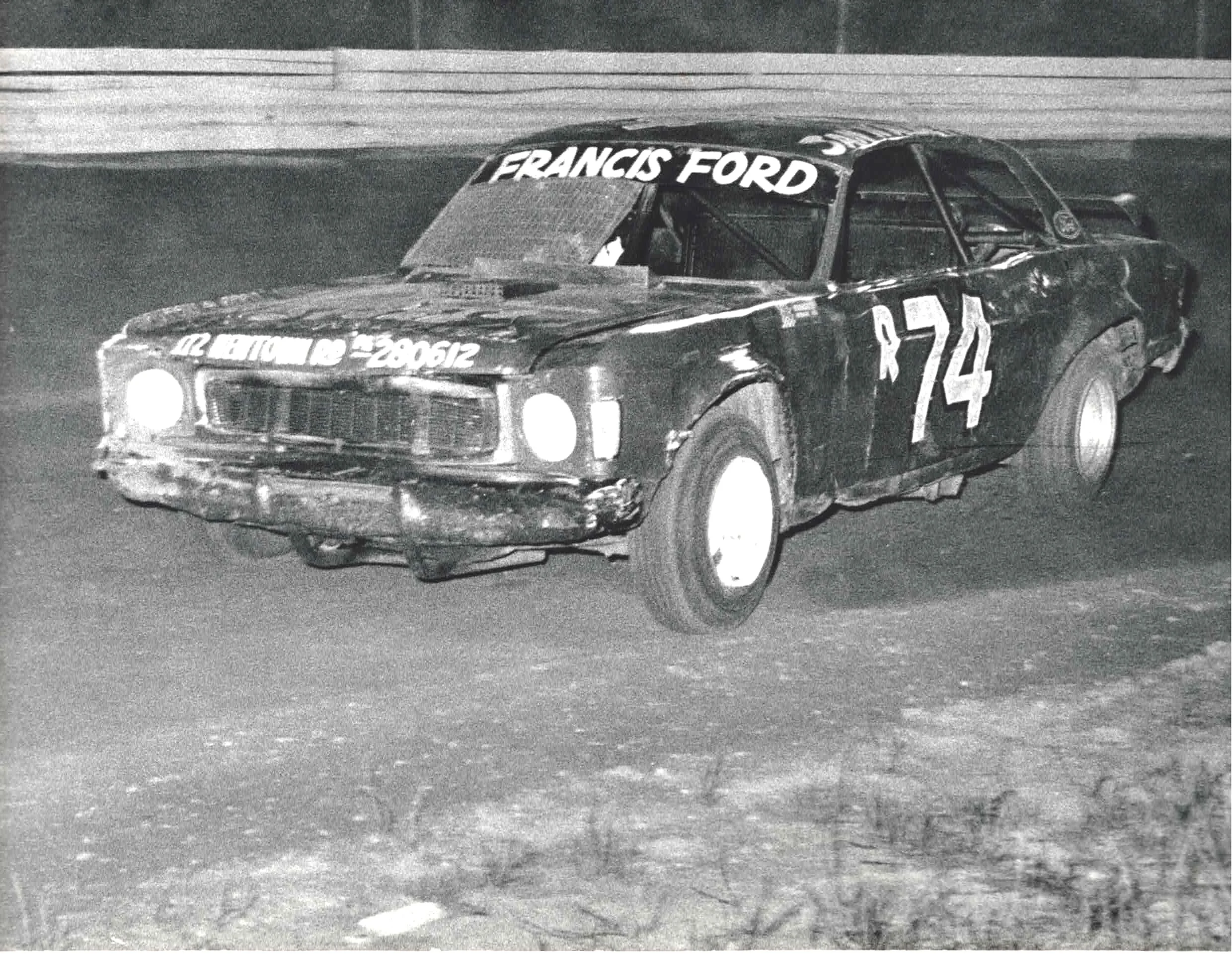
The following season, the budget for the Jan and Albie’s Racing team almost doubled when they raced a Ford Customline, which cost them $80. After a season and a half of dominating women’s racing, Janet moved up to compete in open company with the men.
By now, the Jan ‘n’ Albie’s Racing Team was starting to get noticed and attracting sponsorship, with Janet winning the Tasmanian women’s speedway sedan championship in 1971. Janet quickly became a crowd favourite in the male-dominated sport, and speedway promoters were keen to have her racing at their tracks.
In 1972, the Jan ‘n’ Albies Service Station opened for business in Hobart, with the couple working long and hard hours, but still finding time to prepare the car for the next race meeting. At the start of the 1972–73 season, Janet was invited to compete in the inaugural Australian women’s speedway sedan championship in Townsville, an all-expenses-paid trip that included a car to race.
In the lead-up, she appeared in numerous newspaper, TV and radio interviews. She went on to win the final in the championship, but the title was awarded on overall points scored during the heats and final, with local driver Denyse Butcher (née White) awarded points in a heat she didn’t even finish.
After a much-publicised and delayed dispute over the results, including threats to have Janet black-banned from racing anywhere in Australia, the placings stood and Janet was awarded second place. She immediately vowed never to race in an all-women’s field again, which was an easy decision given she could more than hold her own in open company.
In 1973, the Jan ‘n’ Albies team purchased a Ford GT Falcon, competing with mixed success for the next two seasons. During this time, Janet was also selected in the Tasmanian sedan team to take on a touring team from the United States.
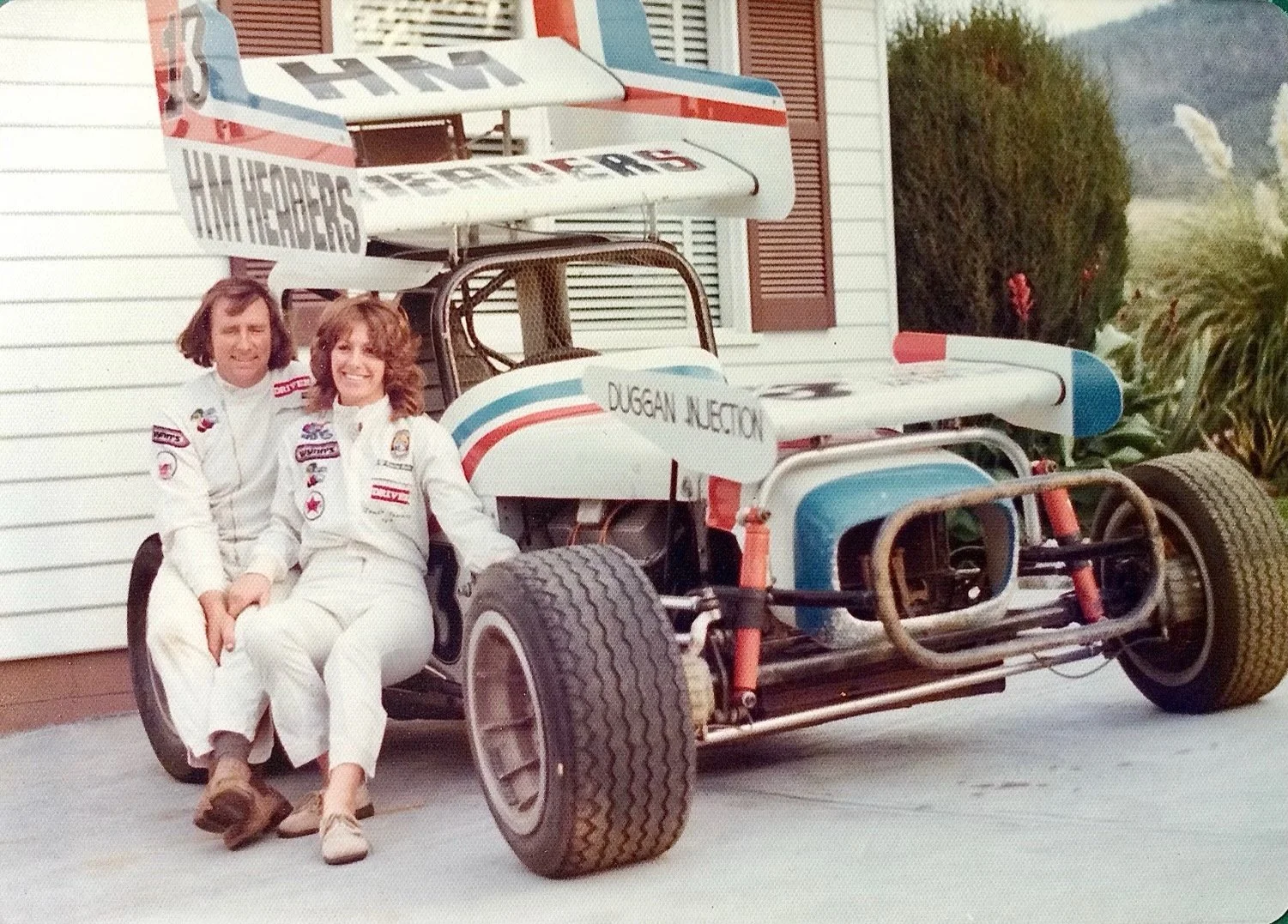
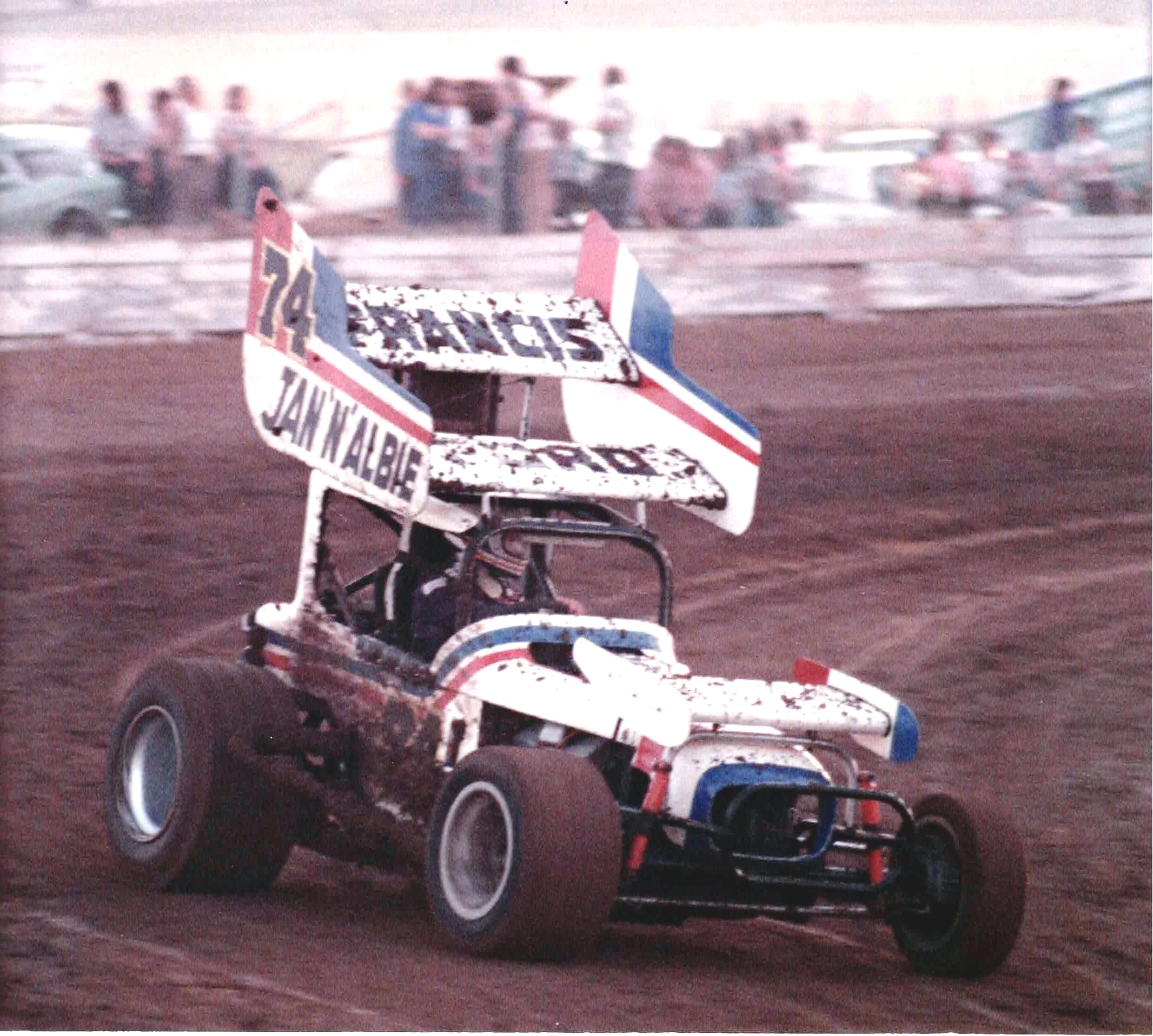
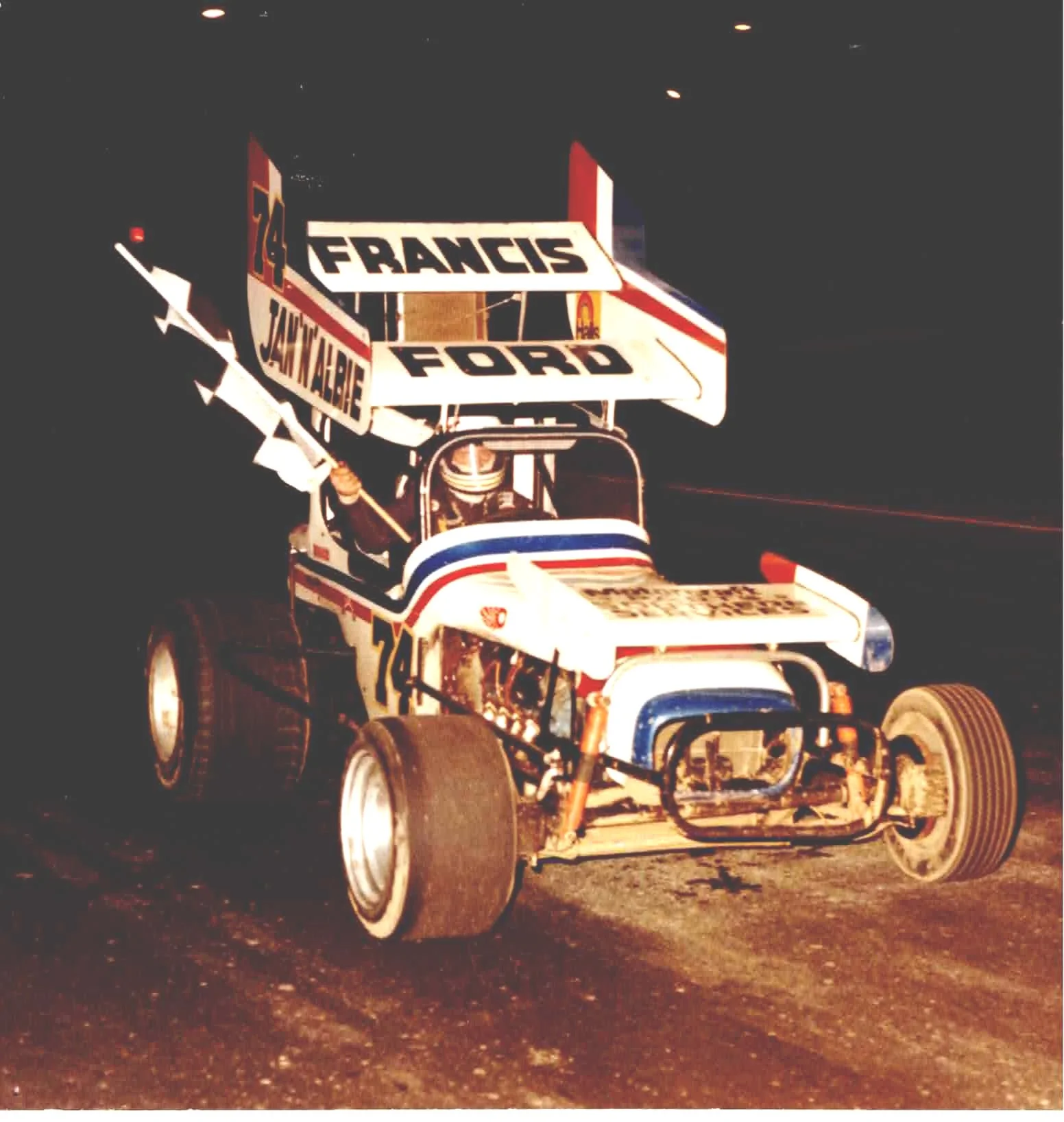
At the start of the 1975–76 season, they moved into super modifieds, the forerunner to sprintcars, with Janet becoming the only female sprintcar driver in Australia at the time. Once again, she was selected in the Tasmanian team to race against a visiting US sprintcar team, scoring wins against the visitors during the series.
After a tough year or two in business and limited opportunity to race the sprintcar, Jan ‘n’ Albies Performance Centre opened in Moonah. Attention soon turned back to more racing, swapping the sprintcar for a Ford GT Falcon sedan.
During 1980, the team began building two Bolwell Nagaris for racing, with the much-anticipated return of the Jan ‘n’ Albies team to the track on a more permanent basis attracting considerable media interest. It soon became apparent they had bitten off more than they could chew, and they reverted to a one-car team.
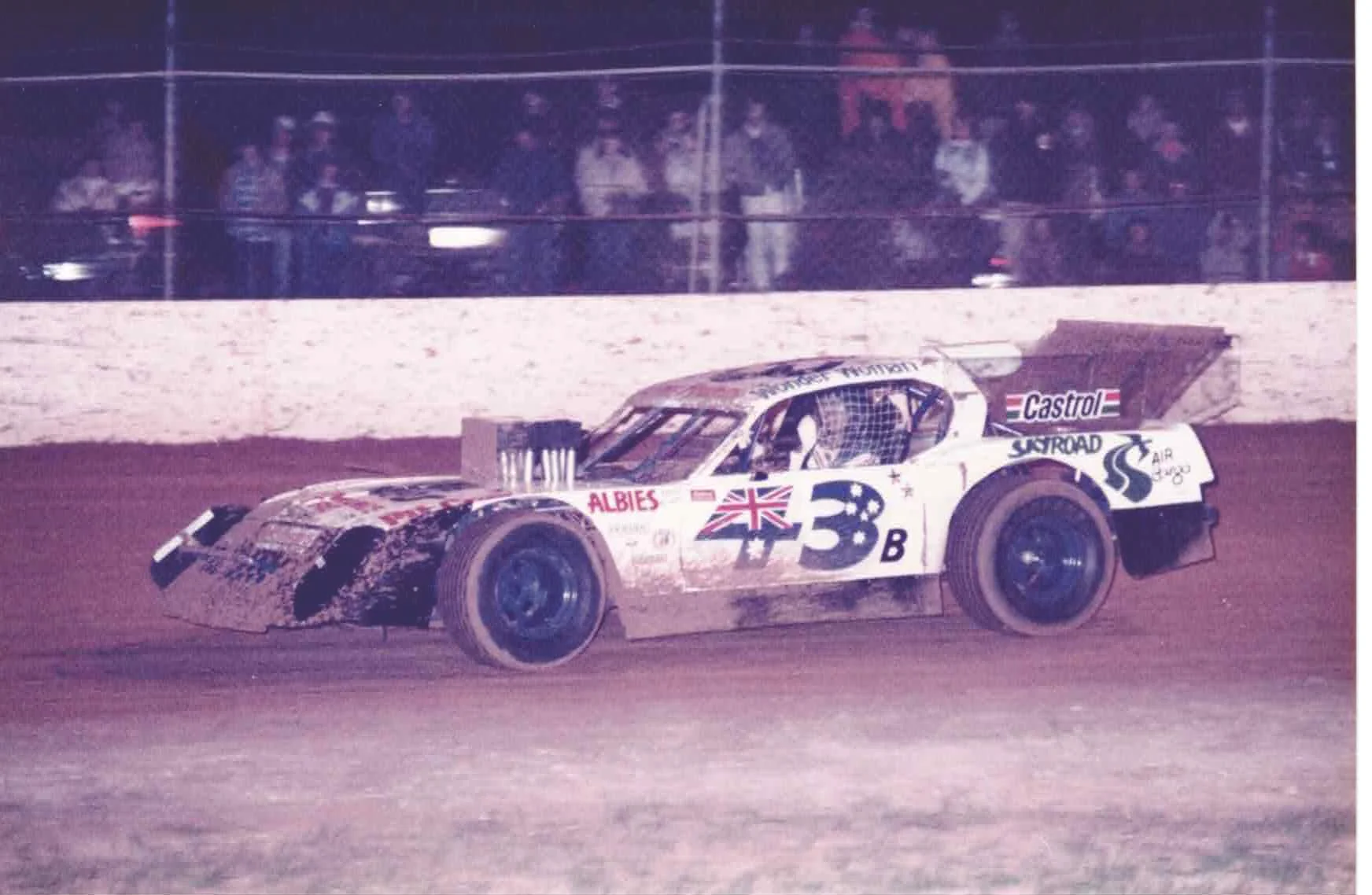
Janet was chosen as the driver due to her popularity with spectators, promoters and the media, while Albie used his expert engine-building and maintenance skills to give her the best possible chance of winning. Although she never raced again in all-female events, Janet was considered Australia’s best female speedway driver at the time, earning her the nickname “Wonder Woman” from commentators and the media.
At the start of the 1982–83 season, the team upgraded to a JC Race Cars chassis with a Ford Mustang body. Janet was competing in the top sedan division, Grand Nationals, as the only Ford in the field.
A new engine was sourced from renowned Australian Chev engine builder Ivan Walker in Sydney, with Janet winning her first final using the new engine and going on to claim the Southern Tasmanian drivers’ season points score award.
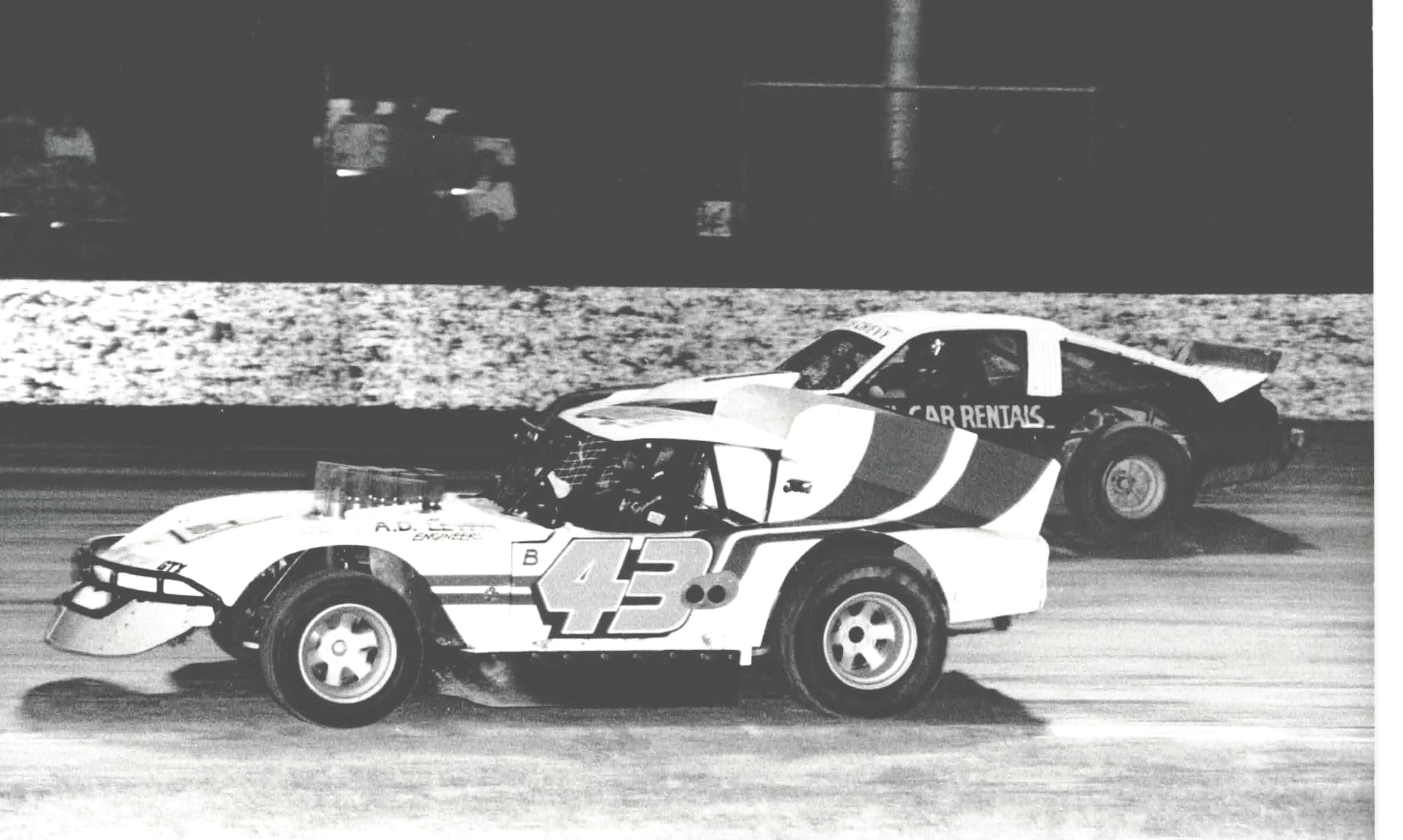
The body was converted to a Chev Monte Carlo SS for the 1984–85 season, with Janet winning heats of the prestigious Tasmanian Grand National and Easter Cup events. By this time, Tasmania boasted some of the best drivers in Australia and some of the fiercest racing, widely regarded as the golden era of Tasmanian speedway. Janet competed against the likes of Gene Cook, Neville Harper and Cees Hendricks.
Janet retired from racing in 1985, partly due to an earlier spinal injury. A farewell function was held at Government House in Hobart, a testament to her popularity, even featuring a life-sized cut-out of Janet greeting guests at the door.
Janet was awarded life membership of both the Richmond and Bridgewater Speedway Clubs, and in 2003 she was inducted as a legend of Tasmanian speedway.Profile by Martin Agatyn
Some photos by Bruce Smart